The history of Hartham Park
A Historic Georgian Wedding Venue in Corsham, Wiltshire
The house and it’s history
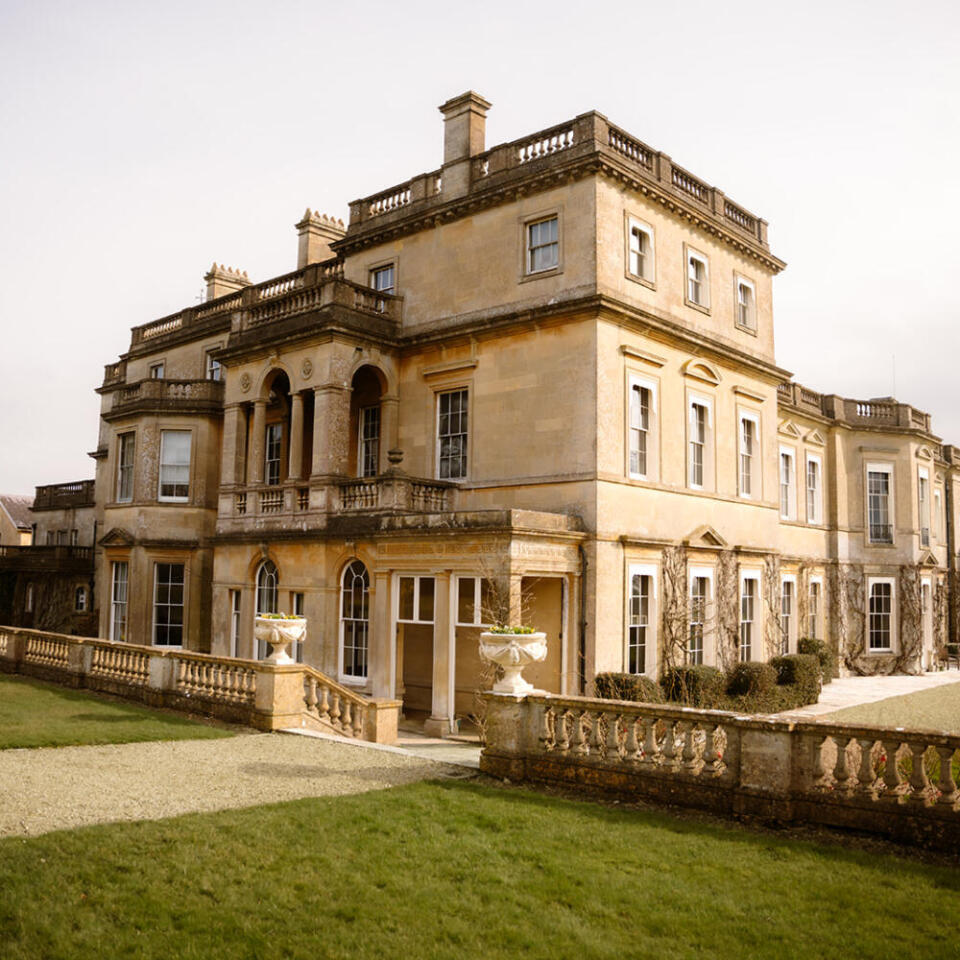
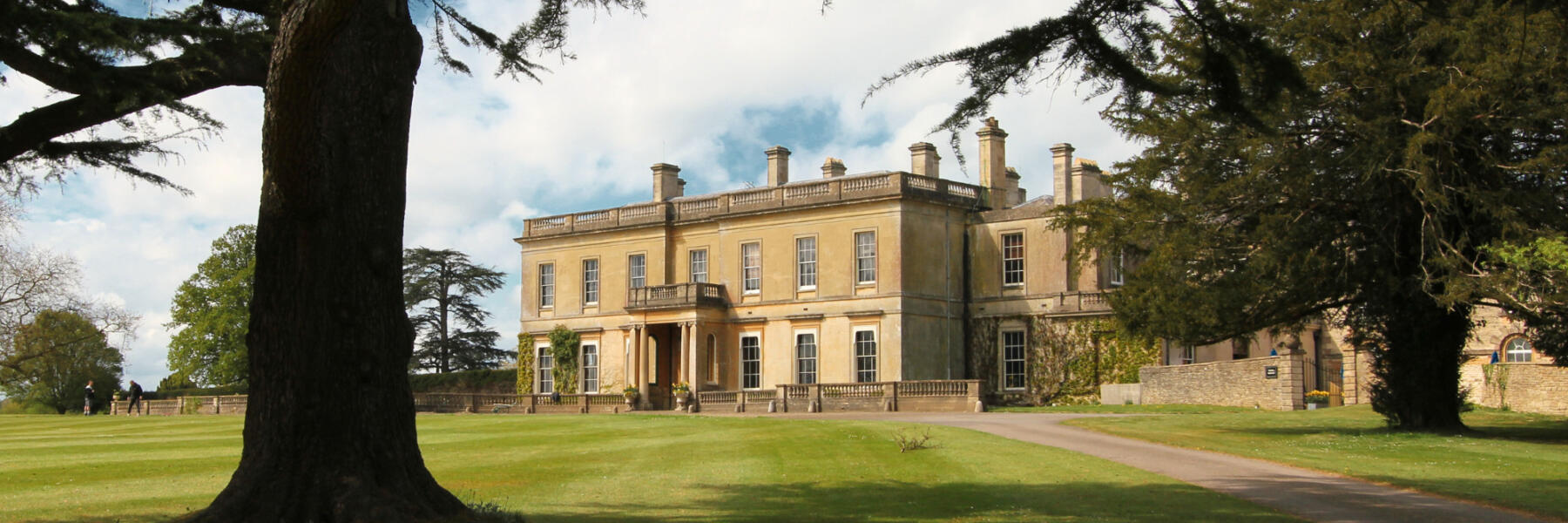
The Hartham Park that you see today is the result of a unique history.
We can only ever know a fraction of the events that have unfolded here and only ever catch a glimpse of the people that have made it what it is, but the attempt to find out more has uncovered some interesting connections and has shed fascinating light on a distinctive past.
Hopefully during your visit you will get a sense of the history and the people that helped shape not just the story of this house but the world about them.
Download Our Wedding Brochure
Est. 1795
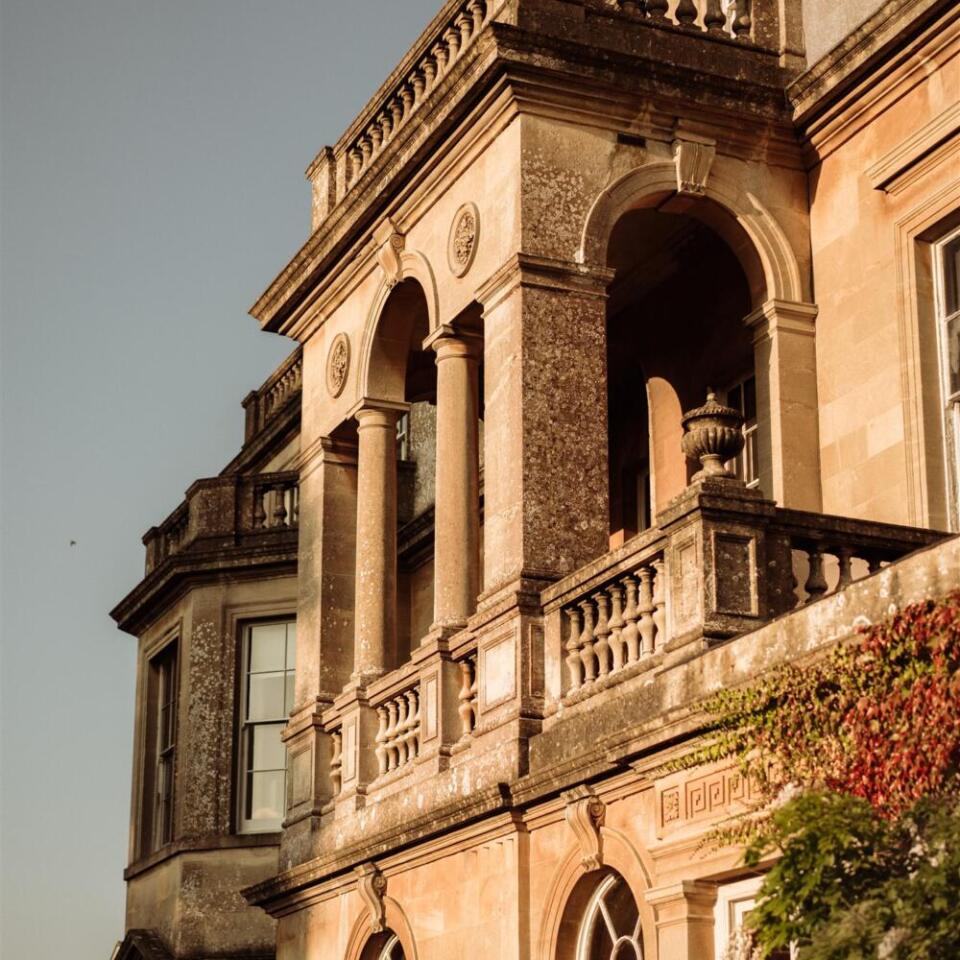
In 1795, Lady Anne James commissioned architect James Wyatt to redevelop the estate, which her family had owned for over 400 years, after the death of her husband, Commodore William James.
Two houses, two histories
Some time before 1816 the house was purchased from the Estate by Michael Joy. He was an exile from North America in the aftermath of the War of Independence due to his sympathies for the British Government. His son, Henry Hall Joy, brings us to an interesting confluence of Hartham Park, Hartham House, an adjacent property no longer in existence and a leading literary figure of the period.
Hartham House. 1768
Owned by the Duckett family for as long as the Goddards owned Hartham Park, Hartham House passed to Sir Benjamin Hobhouse in the early 19th century. His son, John Cam Hobhouse, was a close friend of Henry Hall Joy. Together, they toured Europe in 1815, meeting Lord Byron in Venice. John Cam Hobhouse later became Lord Byron’s executor and a prominent politician, eventually becoming Lord Broughton of Gifford.
Early 19th century
In the 1830s, Henry Hall Joy became the owner of Hartham House as well as Hartham Park in a land swap arrangement and he chose to knock down Hartham House.
Today there is very little indication that Hartham House ever existed, although The Garth, in the present Hartham Park courtyard, was the Farm House associated with the property and is the oldest building on the site. There is also a remaining ice house (subsequently turned into an air raid shelter during the Second World War) and the cast iron gates that mark the entrance to Hartham Park are crested by the Duckett coat of arms.
During the 1850’s Hartham Park was bought from the Methuens, to whom it had been sold, by Thomas Henry Allen Poynder and passed by inheritance to his son, William Henry Poynder.
Sir John Ponder Dickson Poynder
Upon inheriting the estate from his uncle in 1884, John Dickson Poynder became the sixth baronet. In 1888, he adopted the surname Poynder. Under his ownership, the house became a hub for political, social, and recreational life in North Wiltshire. Sir John served as MP for Chippenham from 1892 and was a London County Council member (1898-1904). He also earned a DSO during the Second Boer War as an aide-de-camp to Lord Methuen.
Winston Churchill at Hartham Park
There are records of Winston Churchill having stayed at Hartham Park over the Christmas of 1896, during the summer of 1897 and again in 1899, and subsequent correspondence between the two men continued for much of their lives.
Circa 1906 Sir John had Hartham Park significantly remodelled, and the house hosted a great many gatherings, including visits by the Prince Arthur, Duke of Connaught and Strathearn, the third son of Queen Victoria who was attracted by both the shooting and the golf locally.
The grounds were landscaped by Harold Peto and superb Dutch water gardens built (now, sadly, largely overbuilt as a result of 1960s development).
The Second World War to the present day
Following Sir John’s death in 1936, the Hartham Park estate was purchased by the Nicholson family of Gin fame, who resided here during the Second World War. The upper floors of the house, previously the servants quarters, became the billet for one hundred WAAF personnel and, during the Battle of Britain and for the remainder of the war, a watch for 10 Group RAF Fighter Command. 10 Group Headquarters was at Rudloe Manor a mile and a half to the West.
From the 1960s onwards, Hartham Park has been used for business, briefly becoming the headquarters of the Bath and Portland Stone Company. Since 1997, it has become serviced office accommodation to a range of companies from start-ups to much larger and well-established names in the technology industry.